


What to Do If My Partner Is an Alcoholic and Needs Help

Table of Contents
Related BlogsKey Takeaways
- Early Recognition Saves Lives: Understanding the difference between problematic drinking and alcohol use disorder helps families intervene before crisis situations develop, with specific warning signs including tolerance increases, failed attempts to control consumption, and prioritizing alcohol over responsibilities.
- Evidence-Based Support Strategies: Shifting from enabling to empowering behaviors requires structured approaches that allow natural consequences while maintaining emotional availability, with professional intervention coordination improving success rates by 40-60% compared to family-only efforts.
- Strategic Resource Planning: Recovery investment ranges from $2,400-$80,000 depending on treatment intensity, with most families requiring 12-24 months of coordinated support to establish stable patterns and rebuild trust within relationships.
- Family Healing Is Essential: Research shows that psychological and physical health consequences for family members are profound, making systematic self-care and boundary management crucial for both individual recovery and family stability throughout the process.
- Professional Coordination Maximizes Outcomes: Licensed clinicians, Certified Case Managers, and specialized intervention services provide essential expertise that families cannot effectively access independently, with coordinated professional engagement reducing crisis episodes and improving long-term recovery trajectories.
Recognizing When My Partner Is an Alcoholic
Living with a partner who has alcohol use disorder creates profound challenges that extend far beyond the individual struggling with addiction. When you find yourself thinking "my partner is an alcoholic," you are confronting a reality that affects every aspect of your relationship and family dynamics. Research shows that 28.9 million people ages 12 and older had AUD in the past year, representing 10.2% of this age group1. The ripple effects touch intimate partners, children, and extended family members in ways that require both understanding and strategic response.
Partners often experience elevated levels of depression and anxiety while navigating the complex terrain of supporting someone with AUD3. This approach works best when families understand that addiction operates as a family system issue rather than solely an individual problem. Let's explore the essential tools for recognizing when alcohol use has crossed the line from occasional concern to serious disorder requiring intervention.
Understanding the Impact of AUD on Family Systems
Alcohol use disorder operates as a family disease that fundamentally alters relationship dynamics and creates cascading effects throughout the entire household system. The stress of living with someone who has AUD can manifest in various ways, including sleep disturbances, changes in appetite, and social isolation1. Family members often develop their own coping mechanisms that may inadvertently enable the addiction while protecting themselves from emotional harm.
Research indicates that psychological and physical health consequences for family members are profound4, with partners frequently experiencing chronic stress responses that mirror trauma symptoms. The financial strain, social embarrassment, and constant uncertainty create an environment where normal family functioning becomes nearly impossible, requiring specialized understanding of how substance use disorders impact intimate partnerships and broader family networks.
Physical and Emotional Toll on Partners and Family
Living alongside substance abuse creates measurable physical health consequences that partners often minimize or dismiss. Sleep patterns become severely disrupted as family members experience hypervigilance around unpredictable behaviors and potential crises3. Many partners develop chronic headaches, digestive issues, and compromised immune function due to sustained stress responses.
The emotional burden manifests through persistent anxiety, depression, and feelings of helplessness that can escalate into clinical conditions requiring professional intervention. Children in these households frequently exhibit behavioral regression, academic decline, and social withdrawal as they absorb the household tension. Consider this approach when recognizing that physical symptoms often serve as early warning indicators of deeper family system dysfunction requiring immediate attention and support.
Common Signs and Symptoms of Alcohol Use Disorder
Alcohol use disorder presents through observable behavioral patterns that distinguish problematic drinking from occasional overconsumption. Families notice frequency changes first, as drinking episodes become more predictable and necessary for basic functioning2. Partners typically observe the following progression:
- Increased Tolerance: Requiring larger quantities to achieve the same effects that smaller amounts once produced.
- Failed Control: Repeated promises to cut back or control consumption followed by continued heavy use.
- Impairment: Prioritizing drinking over responsibilities, relationships, and previously enjoyed activities.
This method works when families recognize that AUD manifests differently across individuals, requiring careful observation of patterns rather than isolated incidents to accurately assess the severity of substance use concerns.
The Role of Stigma and Its Effects on Seeking Help
Social stigma surrounding alcohol use disorder creates powerful barriers that prevent families from seeking necessary help and support. Many partners delay addressing substance use concerns due to shame, fear of judgment, and societal misconceptions about addiction2.
Professional settings often compound these challenges, as individuals worry about career consequences or damage to their reputation if colleagues discover their partner's struggles with alcohol dependency.
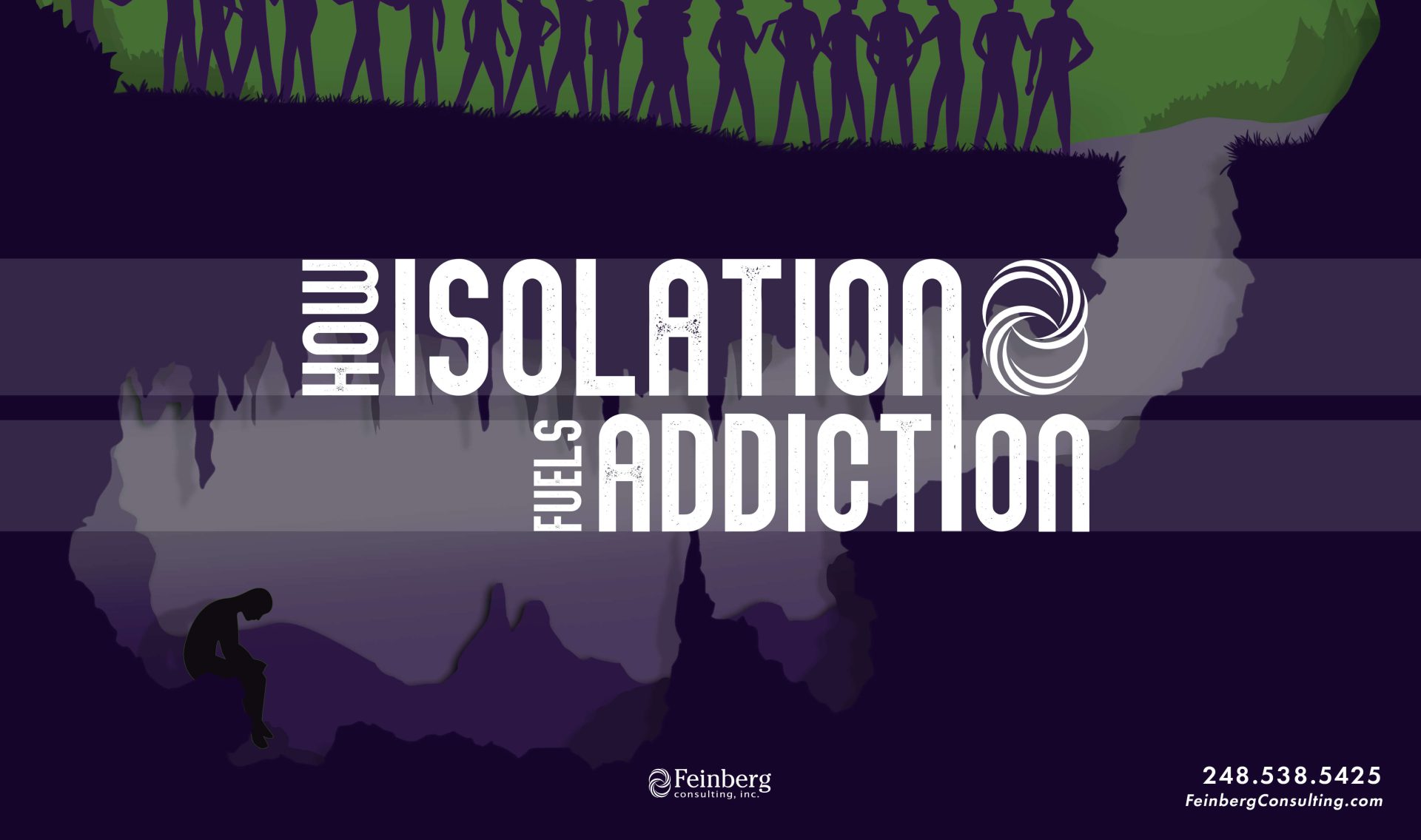
The stigma affects not only the person with AUD but extends throughout the family system, causing children to feel embarrassed about bringing friends home and partners to withdraw from social connections. This isolation works against recovery by removing crucial support networks precisely when families need them most. Opt for professional guidance when stigma begins interfering with daily functioning or preventing access to evidence-based treatment resources that could significantly improve family outcomes.
Self-Assessment: Is My Partner’s Alcohol Use a Problem?
Determining whether a partner's drinking constitutes alcohol use disorder requires systematic evaluation using established assessment criteria rather than relying on intuition or comparison to other relationships. This structured approach works when families need clarity about the severity of alcohol-related problems affecting their household dynamics. Research indicates that psychological and physical health consequences for family members are profound4, making accurate assessment essential for determining appropriate response strategies.
Partners benefit from using specific diagnostic questions, evaluating their own behavioral patterns, and assessing safety concerns within the relationship. Self-assessment tools provide objective frameworks for understanding when occasional drinking concerns have evolved into patterns requiring professional intervention. This evaluation process helps distinguish between temporary stress-related drinking increases and persistent alcohol use disorders that fundamentally alter relationship functioning and family well-being.
Diagnostic Questions for Relationship Health
Structured diagnostic questions provide partners with objective criteria for evaluating relationship health when alcohol consumption becomes a concern. Begin by asking whether drinking has affected your partner's ability to fulfill daily responsibilities, including work commitments, household duties, and family obligations2. Document instances where promises to reduce drinking were made but not sustained, noting the frequency and circumstances surrounding these failed attempts.
Consider whether your partner requires alcohol to manage stress, social situations, or emotional challenges that they previously handled without substances. Assess if drinking patterns have altered your relationship's communication quality, intimacy levels, and shared decision-making processes. This evaluation method works best when partners track these patterns over several weeks rather than focusing on isolated incidents, providing clearer insight into whether drinking has become a central organizing factor in your relationship dynamics.
Evaluating Enabling and Co-Dependent Patterns
Recognizing enabling and co-dependent patterns requires honest examination of your own behaviors within the relationship dynamic when alcohol dependency becomes central. Enabling typically manifests through actions that remove natural consequences from drinking, such as calling in sick for your partner, covering financial obligations they've neglected, or making excuses to family and friends about their behavior1.
Co-dependency develops as partners increasingly organize their lives around managing, controlling, or compensating for alcohol-related problems rather than maintaining their own well-being and boundaries. This pattern works when families understand that well-intentioned protective behaviors often inadvertently maintain the addiction cycle by preventing the person from experiencing the full impact of their choices. Evaluate whether you've stopped planning activities, avoided social situations, or altered your communication style to prevent triggering drinking episodes.
Assessing Personal Safety and Emotional Boundaries
Personal safety assessment becomes essential when living with someone whose drinking patterns create unpredictable or potentially dangerous situations. Evaluate whether you feel physically safe in your home environment, particularly during episodes of heavy drinking or when your partner experiences withdrawal symptoms3. Document any instances of aggressive behavior, threats, or property damage that coincide with alcohol consumption, as these patterns often escalate over time.
Emotional boundaries require equal attention, as partners frequently experience erosion of their personal autonomy and decision-making authority when alcohol dependency dominates household dynamics. This framework suits situations where partners need objective criteria for distinguishing between relationship stress and genuine safety concerns. Assess whether you modify your behavior, communication, or daily routines to avoid triggering anger or conflict related to drinking patterns. Professional consultation becomes necessary when physical safety concerns emerge or when emotional boundaries have become so compromised that individual well-being suffers significantly.
Decision Framework: When and How to Take Action
Creating a structured decision framework helps partners move from assessment to action when dealing with substance abuse concerns within their relationship. This path makes sense for families who have completed initial evaluation and need clear criteria for determining intervention timing and appropriate response levels. Partners often struggle with knowing when to act versus when to wait, particularly when alcohol dependency creates unpredictable patterns that don't fit traditional intervention models2.
The decision-making process requires balancing respect for individual autonomy with family safety considerations, while accounting for the progressive nature of alcohol use disorders. Research indicates that psychological and physical health consequences for family members are profound4, making timely action essential for protecting both the individual with AUD and their loved ones. This framework provides systematic approaches for evaluating crisis levels, planning appropriate interventions, and maintaining ethical boundaries throughout the decision-making process.
Recognizing Crisis Levels and Escalation Points
Crisis recognition requires understanding escalation patterns that distinguish temporary setbacks from dangerous developments requiring immediate intervention. Partners living with someone who has alcohol use disorder must identify specific warning signs that indicate deteriorating conditions beyond typical drinking episodes3.
| Crisis Type | Warning Indicators |
|---|---|
| Physical Safety | Threats of violence, property destruction, driving under the influence, or combining alcohol with medications. |
| Emotional Crisis | Suicidal ideation, complete withdrawal from family responsibilities, or abandonment of basic self-care routines. |
| Financial Escalation | Job loss, depleted savings accounts, or illegal activities to fund alcohol consumption. |
This strategy works when partners document these incidents objectively rather than minimizing their significance due to emotional attachment or fear of confrontation. Recognizing that escalation often occurs gradually helps families identify intervention windows before situations become life-threatening or legally compromising.
Criteria for Intervention and Support Planning
Effective intervention planning requires establishing clear criteria that balance urgency with readiness factors to optimize success rates and minimize family disruption. Partners must evaluate their loved one's current stage of change, available support systems, and practical barriers before initiating formal intervention processes2. The optimal intervention window occurs when substance use problems have created sufficient consequences to motivate change, yet before physical health or legal complications make treatment more complex and expensive.
Family involvement significantly improves treatment outcomes for individuals with AUD and provides necessary support for partners2, making coordinated planning essential rather than reactive crisis management. This approach is ideal for families who have documented patterns of alcohol-related problems and assessed their own readiness to participate in sustained recovery efforts. Consider professional consultation when intervention timing requires balancing multiple competing factors, such as work obligations, child custody concerns, or medical complications that could affect treatment placement options and family safety during the transition period.
Ethical Considerations and Confidentiality in Decision Making
Navigating ethical boundaries when addressing substance abuse within intimate relationships requires careful consideration of privacy rights, consent protocols, and professional obligations. Partners facing the reality that someone with alcohol dependency needs help must balance their desire to protect loved ones with respect for individual autonomy and legal confidentiality requirements4. Medical professionals, clinicians, and family members operate under strict guidelines that protect patient information, even when family involvement could enhance treatment outcomes.
This approach works when families understand that confidentiality laws exist to build trust between individuals and healthcare providers, creating safer environments for honest disclosure about drinking patterns. Consider whether sharing information about your partner's alcohol use with employers, extended family, or community members could create unintended consequences that damage relationships or career prospects. The decision-making process becomes more complex when children's safety intersects with adult privacy rights, requiring families to navigate competing ethical obligations while maintaining focus on recovery goals.
Evidence-Based Steps for Partner and Family Support
Moving from recognition to action requires evidence-based strategies that support both family healing and individual recovery when someone you love has an alcohol use disorder. This approach works when families understand that effective support involves shifting from protective behaviors that may inadvertently enable drinking patterns toward empowering strategies that promote accountability and recovery. Family involvement significantly improves treatment outcomes for individuals with AUD and provides necessary support for partners2, making coordinated family-based interventions essential rather than solely focusing on the individual with substance use concerns.

Partners must learn to distinguish between helpful support and enabling behaviors while maintaining their own well-being and safety throughout the recovery process. The evidence shows that structured family interventions produce superior outcomes compared to individual-only treatment approaches, particularly when families receive training in communication techniques and boundary-setting skills. These proven strategies require careful implementation across different family situations, from acute crisis scenarios to long-term recovery support planning.
Enabling vs. Empowering: Shifting Support Strategies
Transforming family dynamics from harmful patterns to therapeutic support requires understanding the fundamental difference between enabling and empowering behaviors when your partner struggles with alcohol dependency. Enabling behaviors inadvertently protect individuals from experiencing natural consequences of their drinking, while empowering strategies promote accountability and personal responsibility1. Partners often develop protective responses that feel caring but actually maintain addiction cycles by removing obstacles that could motivate change.
This strategy works when families recognize that genuine support involves allowing loved ones to experience appropriate consequences while maintaining emotional availability and safety. Research demonstrates that shifting these dynamics significantly improves both individual recovery outcomes and family well-being over time. The transformation process requires examining current response patterns, learning alternative communication approaches, and establishing boundaries that protect family members without isolating the person with alcohol use disorder.
Identifying and Reducing Enabling Behaviors
Enabling behaviors often masquerade as loving support, making them particularly difficult for partners to recognize and modify when alcohol dependency has become central to relationship functioning. Common enabling patterns include covering financial obligations your partner has neglected due to drinking, calling in sick to their employer during hangovers, or consistently making excuses to family and friends about alcohol-related incidents1.
These protective actions prevent natural consequences from occurring, inadvertently removing motivation for change while increasing your own stress and responsibility burden. Partners frequently find themselves managing household duties, childcare, and social obligations alone while their loved one's drinking takes priority over shared commitments. This pattern works when families understand that breaking enabling cycles requires conscious decision-making about which consequences to allow versus which situations require immediate intervention for safety reasons.
Implementing Healthy Communication Techniques
Healthy communication with someone who has alcohol use disorder requires specific techniques that promote understanding while avoiding confrontational patterns that often escalate into conflict or withdrawal. Partners struggling with alcohol dependency frequently experience shame, defensiveness, and emotional volatility that make traditional relationship communication ineffective3. The most successful approach involves using "I" statements that express your feelings and observations without creating blame or judgment that triggers defensive responses.
Choose timing carefully, initiating important conversations when your partner is sober and emotionally available rather than during or immediately after drinking episodes. This technique works when families understand that effective communication focuses on specific behaviors and their impact rather than character judgments or generalizations about addiction. Practice active listening skills that demonstrate genuine interest in understanding your partner's perspective, even when their explanations seem irrational or excuse-focused.
Setting Boundaries for Self-Care and Safety
Establishing clear boundaries protects your physical and emotional well-being while maintaining supportive connection with a partner who has alcohol dependency. Partners living with someone who struggles with substance use often sacrifice their own needs to manage crisis situations, creating patterns that ultimately harm both individuals4. Effective boundary-setting involves defining specific limits around acceptable behavior while communicating these expectations clearly and consistently.
This approach is ideal for families who recognize that self-care enables sustainable support rather than creating selfish abandonment of their loved one. Physical boundaries might include refusing to drive with someone who has been drinking or removing yourself from situations where alcohol-fueled arguments typically escalate into verbal or physical aggression. Emotional boundaries require protecting your mental health by declining to engage in circular conversations about drinking, refusing to accept blame for your partner's alcohol use, and maintaining activities that bring you joy regardless of their drinking patterns.
Family-Based Interventions: Best Practices and Pitfalls
Family-based interventions represent powerful tools for supporting partners dealing with alcohol dependency, yet they require careful planning to avoid common pitfalls that can worsen family dynamics or backfire entirely. Professional interventions work best when families understand that successful outcomes depend on skilled facilitation, realistic expectations, and sustained commitment rather than single dramatic conversations2. Many families attempt informal interventions without professional guidance, often leading to increased defensiveness, broken relationships, and delayed recovery efforts.
The complexity of addiction means that well-intentioned family efforts can inadvertently trigger shame responses that drive individuals deeper into isolation and drinking patterns. This approach suits families who recognize that intervention success requires balancing compassionate support with firm accountability measures while maintaining long-term relationship health. Research demonstrates that structured family interventions produce superior outcomes compared to individual-only treatment approaches, particularly when combined with ongoing therapeutic support and peer networks.
Coordinating a Professional Intervention the Right Way
Professional intervention coordination requires systematic planning that begins weeks before any formal meeting occurs, involving careful selection of trained specialists who understand alcohol dependency dynamics. Successful interventions depend on having a certified intervention specialist facilitate the process, as family-led attempts often create defensive responses that damage relationships and delay treatment acceptance2. The planning phase involves assembling a core team of family members, close friends, and potentially colleagues who can speak authentically about how drinking patterns have affected their relationships with your partner.
This strategy works when families understand that intervention timing must balance readiness factors with escalating consequences, ensuring your loved one faces genuine motivation rather than feeling ambushed or manipulated. Pre-intervention preparation includes writing impact letters that focus on specific behaviors and emotions rather than accusations, rehearsing responses to common defensive reactions, and researching treatment options that match your partner's specific needs and circumstances.
Leveraging Family Therapy and Peer Support Networks
Family therapy and peer support networks create powerful healing environments that address the complex relational patterns affecting families when alcohol dependency becomes central to household dynamics. Licensed clinicians who specialize in addiction recovery understand that substance use disorders create trauma responses throughout family systems, requiring therapeutic interventions that heal both individual and relational wounds4. This approach works when families recognize that addressing alcohol dependency involves transforming communication patterns, rebuilding trust, and developing healthy coping strategies that support long-term recovery goals.
Peer support networks provide essential validation and practical guidance from others who have navigated similar challenges, reducing isolation and offering hope during difficult periods. Family therapy sessions typically focus on improving communication skills, establishing healthy boundaries, and addressing co-dependency patterns that may have developed over time. The combination of professional therapeutic support and peer connection creates comprehensive healing opportunities that address both the emotional trauma of living with addiction and the practical skills needed for sustainable family recovery moving forward.
Navigating the Complex Link Between AUD and Domestic Conflict
Alcohol dependency frequently intensifies existing relationship tensions while creating new conflict patterns that can sabotage intervention efforts and endanger family safety. The connection between substance use and domestic discord operates as a complex cycle where drinking episodes trigger arguments, relationship stress drives increased alcohol consumption, and escalating conflict makes addressing alcohol dependency more difficult3.
Partners often find themselves trapped between wanting to address drinking behavior and fearing that confrontation will provoke explosive reactions or relationship dissolution. This approach works when families understand that alcohol-related conflicts require specialized de-escalation strategies rather than traditional relationship counseling techniques. Timing interventions during periods of relative calm becomes essential, as attempting family discussions during active drinking episodes typically results in defensive responses and damaged trust that impede future recovery conversations.
Personalized Implementation Pathways for Diverse Needs
Different family situations demand customized approaches when supporting someone with alcohol dependency, as one-size-fits-all strategies often fail to address the unique challenges facing various household configurations and professional circumstances. This approach works when families recognize that effective intervention planning must account for specific lifestyle factors, relationship dynamics, and resource availability rather than assuming universal solutions apply across all scenarios. Partners dealing with acute crises require immediate stabilization strategies, while professionals and executives need discreet intervention methods that protect career prospects2.
The distinction between cohabiting and separated partners creates fundamentally different support pathways, each requiring specialized communication protocols and boundary management techniques. Research demonstrates that psychological and physical health consequences for family members are profound4, making individualized response strategies essential for both immediate safety and long-term recovery success. This personalized framework ensures that intervention timing, resource allocation, and support system activation align with each family's unique circumstances and constraints.
Approaches for Families Experiencing Acute Crisis
Acute crisis situations demand immediate stabilization strategies that prioritize safety while establishing pathways for sustained intervention when alcohol dependency creates urgent threats to family well-being. Families facing emergency scenarios often feel overwhelmed by competing priorities, requiring rapid decision-making frameworks that address immediate dangers while preserving opportunities for recovery engagement3.
Crisis response differs fundamentally from planned interventions, as families must navigate medical emergencies, legal complications, or safety threats while their partner may be intoxicated or experiencing withdrawal symptoms. This approach works when families understand that acute crisis management focuses on harm reduction and safety stabilization rather than comprehensive treatment planning during active emergencies. Emergency protocols typically involve coordinating with medical professionals, law enforcement, or crisis intervention teams who specialize in alcohol-related emergencies and understand the complex interplay between substance use and family safety concerns.
Support Options for Professionals and Executives
Professionals and executives facing alcohol dependency require specialized support approaches that balance discretion with effective intervention while protecting career prospects and public reputation. High-achieving individuals often resist traditional intervention methods due to concerns about professional exposure, making private consulting services essential for breakthrough engagement2. Licensed clinicians who understand corporate culture and professional pressures can provide confidential guidance that addresses both alcohol dependency and career protection strategies.
This approach suits situations where public treatment participation could damage professional standing, require disclosure to employers, or affect professional licensing requirements. Feinberg's addiction and mental health consultants specialize in supporting high-net-worth families who need sophisticated intervention planning that maintains privacy while delivering evidence-based clinical recommendations. The consultation process typically involves discrete assessment methods, private residential treatment arrangements, and ongoing support that accommodates professional travel schedules and business obligations without compromising recovery effectiveness.
Steps for Cohabitating vs. Separated Partners
Cohabitating and separated partners face fundamentally different challenges when supporting someone with alcohol dependency, requiring distinct approaches that account for proximity factors, legal considerations, and emotional boundaries. Partners living together must navigate daily interactions with substance use while maintaining safety and personal well-being, whereas separated partners need to balance supportive distance with effective intervention strategies4.
Cohabitating partners often struggle with immediate safety concerns, financial entanglement, and children's exposure to alcohol-related incidents that require real-time decision-making skills. This strategy works when partners understand that their living situation directly impacts available intervention options and support mechanisms. Separated partners face different obstacles, including limited influence over treatment decisions, communication challenges, and concerns about co-parenting responsibilities when alcohol dependency affects child safety. Both situations require specialized boundary management techniques that protect individual well-being while maintaining opportunities for meaningful recovery support.
Clarity and Coordination When Life Gets Complex
For 30 years, Feinberg Consulting has provided concierge-level intervention, advocacy, consulting, and care coordination for behavioral health challenges, catastrophic injuries, complex medical conditions, and senior care.
Our independent clinical team partners with families and professionals to clarify next steps, coordinate trusted resources, and bring steady guidance when situations feel overwhelming.
Your Next 30 Days: Action Plan for Healing
Transforming assessment and planning into concrete daily action requires a structured 30-day framework that moves families from understanding toward measurable progress when my partner is an alcoholic and needs immediate support. This implementation approach works when families recognize that sustainable change occurs through consistent daily practices rather than dramatic gestures or crisis-driven responses. Research indicates that psychological and physical health consequences for family members are profound4, making systematic action planning essential for protecting both individual recovery and family stability during the critical first month of intervention.

The next 30 days represent a crucial window where families establish new communication patterns, implement boundary strategies, and coordinate professional resources that will determine long-term success trajectories. Effective implementation requires balancing immediate safety concerns with sustainable habit formation, ensuring that initial motivation translates into lasting behavioral changes. This approach suits families who have completed assessment phases and need practical guidance for initiating evidence-based intervention strategies that address both substance use concerns and family healing processes.
Setting Realistic Expectations and Milestones
Establishing realistic expectations prevents family disappointment while creating achievable milestones that build momentum during the critical first month of intervention when alcohol use concerns affect relationship dynamics. Partners often struggle with unrealistic timelines that expect dramatic immediate changes, leading to frustration when recovery progress follows more gradual patterns typical of substance use disorders2. The first 30 days serve as a foundation-building period where families learn new communication skills, implement boundary strategies, and coordinate professional resources rather than expecting complete transformation.
This milestone approach works when families understand that sustainable recovery occurs through consistent daily practices rather than dramatic breakthroughs that may not persist long-term. Week-by-week goal setting helps families track meaningful progress indicators while adjusting expectations based on real-world feedback from intervention efforts. Effective milestone planning balances optimism with realistic assessment of alcohol dependency patterns, ensuring families maintain hope while preparing for potential setbacks that commonly occur during early recovery phases.
Mapping the First Four Weeks After Assessment
The first four weeks following assessment create the foundation for all subsequent recovery efforts, requiring structured daily and weekly actions that transform insights into sustainable behavioral changes. Consider this weekly progression:
- Week One: Implement safety protocols and establish new communication patterns. Practice daily check-ins that avoid confrontational language while documenting drinking incidents objectively2.
- Week Two: Focus on boundary enforcement and professional consultation scheduling. Contact licensed clinicians or intervention specialists to begin coordinating formal support systems.
- Week Three: Initiate family meetings and review initial progress. Adjust boundaries based on your partner's response to the new structure.
- Week Four: Solidify the long-term treatment plan. Secure financial arrangements for therapy or residential care and establish a sustainable support routine.
This planning approach works when partners understand that early intervention momentum requires balancing immediate action with thoughtful preparation for long-term recovery support.
Tracking Behavioral Changes and Breakthroughs
Documenting behavioral changes and breakthrough moments provides essential data for understanding recovery patterns when supporting a partner with alcohol dependency. Partners benefit from maintaining simple daily logs that track specific behaviors rather than general impressions, noting communication quality, household responsibility completion, and emotional stability indicators2.
Breakthrough moments often appear subtle initially, such as your partner initiating difficult conversations about drinking patterns or demonstrating genuine concern for family impact rather than defensive responses. This tracking method works when families recognize that meaningful change accumulates gradually through small consistent improvements rather than dramatic transformational events. Document sleep patterns, work attendance, and social engagement levels as concrete measures that reflect underlying recovery progress when someone struggles with substance use concerns.
Review and Course-Correction for Families
Regular review sessions and strategic course-correction become essential for maintaining momentum when families implement new approaches to supporting a partner with alcohol dependency. Partners benefit from scheduling weekly family meetings that focus on evaluating progress indicators, adjusting communication strategies, and identifying emerging challenges before they escalate into crisis situations2.
These structured review periods help families distinguish between normal recovery fluctuations and warning signs that require immediate intervention modifications or professional consultation. This evaluation method works when families understand that recovery represents a dynamic process requiring flexible adaptation rather than rigid adherence to initial plans. Course-correction involves honestly assessing which boundary enforcement strategies prove effective versus those creating additional relationship tension without promoting accountability. Document specific instances where new communication techniques either improved conversations about substance use or triggered defensive responses that undermined progress toward recovery goals.
Leveraging Professional and Community Support
Professional and community support systems provide essential expertise and resources that families cannot effectively access or navigate independently during the first month of recovery action. This strategy works when families recognize that alcohol dependency recovery requires specialized knowledge, coordinated services, and peer networks that extend far beyond well-meaning family efforts. Licensed clinicians, clinical consultants, and structured community programs offer evidence-based interventions specifically designed for substance use disorders, while peer support networks provide validation and practical guidance from others who have successfully navigated similar challenges2.
The integration of professional services with community resources creates comprehensive support networks that address both immediate crisis intervention needs and long-term recovery sustainability when my partner is an alcoholic. Research demonstrates that family involvement significantly improves treatment outcomes for individuals with AUD2, making coordinated professional engagement essential rather than optional during the critical 30-day implementation period. Effective professional coordination prevents families from experiencing isolation, reduces trial-and-error approaches that waste precious time and resources, and ensures access to specialized interventions that individual families could never provide independently.
Engaging Clinical Consultants and Intervention Services
Clinical consultants and addiction specialists provide specialized coordination services that become essential when families need structured navigation through complex treatment systems during alcohol dependency recovery. These professionals excel at streamlining medical appointments, insurance authorizations, and treatment transitions that often overwhelm families attempting to manage recovery logistics independently2.
The clinical consulting approach works when families recognize that alcohol dependency typically requires coordination between primary care physicians, addiction specialists, mental health clinicians, and potentially legal or financial advisors. Professional intervention services complement this by providing skilled facilitation during family meetings that address drinking patterns directly. This coordination strategy suits families who need immediate access to treatment resources while ensuring that intervention timing aligns with optimal readiness factors for sustained recovery engagement.
Accessing Coaching, Counseling, and Aftercare Resources
Licensed clinicians specializing in addiction recovery provide essential therapeutic guidance that extends beyond crisis intervention toward sustainable healing when families face alcohol dependency challenges. Professional counseling services typically include individual therapy for both partners, family therapy sessions that address relationship dynamics, and specialized addiction counseling that uses evidence-based treatment modalities2.
Aftercare resources become crucial for maintaining progress beyond initial treatment phases, including ongoing therapy appointments, support group participation, and relapse prevention planning that addresses specific triggers within intimate relationships. This coaching approach works when families understand that recovery involves developing new life skills, communication patterns, and coping strategies that require professional guidance rather than trial-and-error learning. For partners dealing with someone who struggles with alcohol dependency, individual counseling provides essential support for processing trauma, rebuilding self-esteem, and learning healthy boundary management techniques.
Building Sustainable Peer and Community Networks
Peer support groups and community networks provide invaluable validation and practical wisdom that complements professional services when families navigate alcohol dependency challenges together. Al-Anon Family Groups offer structured meetings specifically designed for partners and family members affected by someone else's drinking, creating safe spaces to share experiences without judgment while learning from others who understand these unique pressures2.
Online communities and local support chapters provide accessible options for families who need flexible scheduling or prefer anonymity during initial exploration of available resources. This network approach works when partners recognize that isolation compounds stress while peer connection reduces shame and provides hope through shared recovery stories. Community-based programs often include educational workshops about addiction science, communication skills training, and stress management techniques that enhance family wellness beyond crisis management. Building these relationships requires consistent participation over several months rather than sporadic attendance, as trust develops gradually within peer support environments that honor confidentiality and mutual respect.
Celebrating Progress and Rebuilding Family Wellness
Recovery progress deserves acknowledgment and celebration, even when changes appear gradual or incomplete during the challenging journey of supporting someone with alcohol dependency. This approach works when families understand that sustainable healing builds through accumulated small victories rather than dramatic transformations that may prove temporary. Partners facing alcohol use concerns within their relationships benefit from developing structured methods for recognizing meaningful progress indicators while maintaining realistic expectations about recovery timelines and setbacks.
Research demonstrates that family involvement significantly improves treatment outcomes for individuals with AUD2, making celebration of progress a therapeutic tool rather than merely emotional support. The celebration process involves distinguishing between genuine behavioral changes and temporary improvements that don't reflect underlying transformation. Effective progress recognition helps families maintain motivation during difficult periods while building confidence in their ability to support long-term recovery goals. This framework suits families who have implemented initial intervention strategies and need guidance for sustaining momentum while rebuilding trust and family wellness over time.
Recognizing Small Wins on the Path to Recovery
Small victories provide essential building blocks for sustained recovery momentum when families support a partner with alcohol dependency. Partners often overlook incremental improvements while waiting for dramatic breakthroughs, missing crucial progress indicators that actually predict long-term success2. Meaningful small wins include your partner attending therapy appointments consistently, initiating honest conversations about their struggles, or completing daily responsibilities without prompting.
Financial improvements often emerge gradually, such as reduced alcohol-related spending or improved work attendance that creates household stability. Communication breakthroughs typically begin with your partner acknowledging the impact their drinking has on family relationships rather than defensive responses. This recognition approach works when families understand that sustainable changes accumulate through repeated positive behaviors rather than single transformational moments.
Strategies for Maintaining Hope and Momentum
Maintaining hope and momentum during alcohol dependency recovery requires deliberate strategies that sustain family energy through inevitable challenges while building resilience for long-term healing. Partners supporting someone with substance use disorder often experience emotional exhaustion that threatens their ability to maintain consistent recovery support over months of gradual progress2.
This approach works when families understand that hope functions as both an emotional resource and a practical tool that must be actively cultivated rather than passively awaited. Create weekly rituals that reinforce family connection and shared values, such as alcohol-free activities that demonstrate life satisfaction without substances. Momentum builds through consistent small actions rather than sporadic intense efforts, requiring families to develop sustainable routines that accommodate both recovery work and personal wellness needs. Document positive changes in a shared family journal, noting improvements in communication quality, relationship intimacy, and household harmony as evidence that recovery efforts produce meaningful results.
Understanding When to Seek Advanced Intervention Options
Advanced intervention options become necessary when standard family-based approaches prove insufficient or when alcohol dependency creates escalating risks that require specialized professional coordination. Partners must recognize specific indicators that signal the need for intensive treatment modalities, residential programs, or medical supervision beyond outpatient counseling2.
Warning signs include repeated treatment failures, medical complications from alcohol withdrawal, legal consequences that threaten family stability, or safety concerns that endanger children or intimate partners. This evaluation approach works when families understand that advanced interventions represent progression rather than failure of previous efforts. Professional assessment becomes essential for determining appropriate treatment intensity levels, particularly when someone dealing with alcohol dependency develops co-occurring mental health conditions or requires medically supervised detoxification. Licensed clinicians can evaluate whether partial hospitalization programs, intensive residential treatment, or specialized addiction medicine services align with current symptoms and family resources while maintaining focus on sustainable recovery outcomes.
Frequently Asked Questions
Frequently Asked Questions provide essential guidance for partners navigating the complex journey of supporting someone with alcohol dependency while protecting their own well-being and family safety. These common concerns reflect the real-world challenges that arise when families move from recognition to action, requiring specific answers based on evidence-based practices and clinical expertise. Partners often feel overwhelmed by competing priorities during alcohol dependency interventions, needing clear direction for managing immediate crises, protecting children, and coordinating professional resources effectively. The complexity of supporting someone who struggles with substance use extends beyond emotional considerations to include practical concerns about privacy, financial planning, and professional reputation protection. Research demonstrates that family involvement significantly improves treatment outcomes for individuals with AUD2, making informed family decision-making essential for recovery success. These questions address the most frequent concerns that emerge during the critical first months of intervention planning and implementation.
How do I encourage my partner to accept help without pushing them away?
Encouraging a partner to accept help requires timing conversations during calm moments when they're sober and avoiding confrontational language that triggers defensive responses. Express your feelings using "I" statements that focus on specific behaviors and their impact rather than character judgments about alcohol dependency3. Share concrete examples of how drinking affects your relationship, children, or daily life without delivering ultimatums unless you're prepared to follow through immediately. Listen actively to their perspective, even when explanations seem unreasonable, as partners with alcohol use disorder often feel shame and vulnerability that makes them resistant to change discussions. This approach works when you demonstrate genuine concern for their well-being rather than attempting to control their behavior through pressure or manipulation. Consider involving a professional interventionist who can facilitate these conversations more effectively than family-led attempts, which often backfire and damage trust. Professional guidance helps families understand readiness factors and optimal timing for recovery conversations when someone struggles with substance use concerns.
What are realistic budget ranges for different types of AUD interventions and support?
Budget planning for alcohol dependency interventions requires understanding specific cost ranges across different treatment modalities when your partner needs immediate help. Outpatient counseling sessions typically range from $100--$200 per visit, with initial stabilization requiring 2--3 sessions weekly over 3--6 months, totaling approximately $2,400--$7,2002. Intensive outpatient programs cost between $3,000--$10,000 for 12--16 week periods, while residential treatment represents the highest investment at $15,000--$50,000 for 30--90 day stays. Family therapy sessions average $150--$250 per session, with most families participating for 6--12 months to address relationship dynamics affected by substance use concerns. Professional intervention coordination services range from $2,500--$5,000, including assessment, planning, and facilitation phases that maximize success rates when someone with alcohol dependency requires structured motivation.
How long does it typically take to see changes after starting family-based intervention or treatment?
Family-based intervention timelines vary significantly depending on treatment intensity and individual readiness factors, with initial behavioral changes typically emerging within 2--4 weeks of consistent implementation. Partners often notice improved communication patterns and reduced conflict frequency during the first month, while deeper relational healing requires 6--12 months of sustained effort2. Early indicators include your partner acknowledging alcohol-related problems, attending scheduled appointments, and demonstrating reduced defensiveness during recovery conversations. The first 90 days represent a critical stabilization period where families establish new routines and communication protocols that support long-term sobriety goals. Families dealing with someone struggling with substance dependency should expect gradual progress rather than dramatic transformations, as sustainable recovery builds through accumulated behavioral changes over time. Professional interventions often produce more rapid initial engagement, with many individuals accepting treatment within 24--48 hours of skilled facilitation, though meaningful relationship repair continues for months afterward.
What are the signs that my partner’s drinking has reached a crisis point requiring urgent intervention?
Crisis-level drinking creates immediate dangers that demand urgent intervention when alcohol dependency threatens family safety or individual survival. Physical warning signs include alcohol poisoning symptoms, such as confusion, vomiting, slow breathing, or unconsciousness, which require emergency medical attention3. Suicidal thoughts or threats, particularly when expressed during drinking episodes, represent critical red flags that necessitate immediate professional crisis intervention. Driving under the influence, especially with repeated incidents or accidents, signals escalating recklessness that endangers both your partner and innocent victims. Violent behavior or threats of violence toward family members indicate that alcohol dependency has reached dangerous levels requiring immediate safety planning and possibly law enforcement involvement. This approach works when partners recognize that crisis intervention focuses on immediate harm reduction rather than comprehensive treatment planning. Medical emergencies related to withdrawal symptoms, such as seizures or delirium tremens, require hospital supervision and cannot be managed safely at home when someone struggles with severe alcohol dependency.
How can I balance protecting my children with supporting my partner’s recovery?
Protecting children while supporting your partner's recovery requires creating safety-first protocols that prioritize child welfare without completely abandoning recovery support efforts. Partners must recognize that children cannot consent to exposure risks from alcohol dependency, making their protection legally and ethically paramount1. Establish clear boundaries around children's exposure to drinking episodes, ensuring they have safe spaces and trusted adults who can provide stability during treatment periods. Document any incidents where alcohol use affects child safety or well-being, as this information becomes essential for custody decisions if separation becomes necessary. This approach works when families understand that effective parenting during addiction recovery often requires difficult choices that temporarily prioritize child protection over relationship preservation. Consider involving licensed clinicians who specialize in family systems to help navigate these competing obligations while maintaining hope for eventual family reunification when safety concerns are adequately addressed.
Is it possible to maintain privacy when seeking help for a partner with AUD?
Maintaining privacy while seeking help for a partner with alcohol dependency is absolutely possible through specialized professional services and careful coordination strategies. Licensed clinicians specializing in addiction recovery understand the importance of discretion, particularly for high-profile families or professionals whose careers could be affected by public disclosure2. Feinberg's addiction and mental health consultants provide confidential consultation services specifically designed for families who need sophisticated intervention planning while protecting personal and professional reputation. Private consultation typically involves discrete assessment methods, confidential treatment coordination, and secure communication protocols that maintain strict privacy boundaries throughout the recovery process. This approach works when families understand that specialized consulting services cost more than traditional treatment options but provide essential protection for sensitive situations. Professional confidentiality extends beyond initial assessment to include ongoing support coordination, family therapy sessions, and crisis intervention services that operate under strict privacy protocols designed to protect both individual and family interests during recovery efforts.
What resources are available if my partner refuses all types of professional help?
When your partner refuses professional help, focus on supporting your own well-being while maintaining boundaries that don't enable destructive behaviors. Al-Anon meetings provide peer support specifically for family members affected by alcohol dependency, offering practical strategies from others who navigate similar challenges2. Individual therapy for yourself becomes essential for processing the emotional trauma of living with substance use concerns while developing healthy coping mechanisms. Consider involving trusted family members or friends who can help maintain supportive pressure without crossing into enabling territory. This approach works when partners understand that change often requires external consequences, which may include natural results of alcohol-related behaviors that you no longer shield them from experiencing. Community intervention resources like CRAFT (Community Reinforcement and Family Training) teach families how to motivate treatment engagement through strategic relationship changes rather than confrontational methods that typically backfire.
Can enabling behaviors actually worsen the addiction, and how do I avoid them?
Enabling behaviors absolutely worsen addiction by removing natural consequences that could motivate change when someone struggles with alcohol dependency. These protective actions create a cushion that prevents individuals from experiencing the discomfort necessary to recognize the severity of their drinking problems1. Partners inadvertently reinforce drinking patterns when they consistently cover financial obligations, call in sick for their loved one, or make excuses to family and friends about alcohol-related incidents. This cycle maintains addiction by sending the message that drinking doesn't create real consequences. To avoid enabling, focus on supporting the person rather than supporting their addiction by allowing natural consequences while maintaining emotional availability. Stop making excuses for alcohol-related behaviors, refuse to provide money that could fund drinking, and avoid taking over responsibilities they've neglected due to substance use concerns.
How do I know if a particular treatment provider or intervention service is reputable?
Verifying provider reputation requires examining specific credentials, treatment methodologies, and outcome documentation when partners need help for alcohol dependency concerns. Licensed clinicians should display current state licensing, board certifications, and specialized addiction training credentials prominently in their practice materials2. Request detailed information about their treatment approaches, asking whether they use evidence-based methodologies like cognitive-behavioral therapy, motivational interviewing, or family systems therapy rather than proprietary methods lacking peer-reviewed validation. Professional references from other healthcare providers, transparent pricing structures, and willingness to discuss success rates indicate reputable practices. This verification approach works when families understand that quality providers welcome scrutiny and provide comprehensive documentation of their qualifications and treatment protocols. Check with state licensing boards to confirm credentials remain current and investigate any disciplinary actions or complaints filed against potential providers. Reputable intervention services typically offer initial consultations that allow families to assess communication style, treatment philosophy, and coordination capabilities before committing significant resources to recovery support when someone struggles with substance use concerns.
What should I expect emotionally if my partner goes to treatment or refuses to go?
Whether your partner accepts treatment or refuses help, expect an emotional rollercoaster involving grief, hope, frustration, and relief in unpredictable cycles. Partners often experience profound anxiety about the unknown future of their relationship, oscillating between optimism during treatment engagement and despair when faced with resistance3. If your partner enters treatment, anticipate feeling simultaneously grateful and terrified, as recovery involves significant lifestyle changes that affect your entire family dynamic. The initial relief may give way to unexpected loneliness as treatment programs temporarily reduce daily contact and force you to confront relationship patterns that developed around alcohol dependency. Conversely, if your partner refuses help, prepare for intense feelings of powerlessness, anger, and guilt as you struggle between wanting to control their choices and protecting your own well-being. Research indicates that psychological and physical health consequences for family members are profound4, making your emotional responses normal reactions to abnormal circumstances rather than personal failures.
Are there support options designed for professionals or those who need discretion?
Specialized support options exist specifically for professionals and high-profile individuals who need discretion when addressing alcohol dependency concerns. Licensed clinicians who understand corporate culture and professional pressures provide confidential consultation services that protect career prospects while delivering evidence-based clinical recommendations2. These private consulting services offer discrete assessment methods, confidential treatment coordination, and secure communication protocols that maintain strict privacy boundaries throughout the recovery process. Executive-level intervention planning typically involves sophisticated strategies that accommodate professional travel schedules, board meetings, and public obligations without compromising treatment effectiveness. This approach suits situations where public treatment participation could damage professional standing, affect licensing requirements, or create unwanted media attention when someone with alcohol dependency requires help. Many professionals benefit from residential treatment programs located in private facilities that cater specifically to high-achieving individuals, offering amenities and scheduling flexibility that traditional programs cannot provide while maintaining the same evidence-based treatment protocols.
How can I access financial assistance or insurance coverage for AUD treatment?
Financial assistance and insurance coverage for alcohol dependency treatment is often more accessible than families realize, though navigating the options requires understanding specific benefits and qualification criteria. The Mental Health Parity and Addiction Equity Act mandates that insurance plans cover substance use disorder treatment at the same level as medical conditions, meaning that most employer-sponsored health plans include addiction treatment benefits2. Medicaid provides comprehensive coverage for alcohol dependency treatment in states that expanded coverage, while Medicare Part B covers outpatient alcohol counseling and Part A covers inpatient detoxification when medically necessary. Employee Assistance Programs (EAPs) through employers often provide initial assessment services and short-term counseling at no cost, serving as valuable first steps when someone in your family struggles with alcohol dependency. Financial assistance programs exist through treatment facilities, nonprofit organizations, and state-funded programs that offer sliding scale fees based on income levels. This approach works when families research their specific insurance benefits before beginning treatment, as pre-authorization requirements can delay care if not addressed proactively.
What are the best ways to deal with stigma around having a partner with AUD?
Dealing with stigma around having a partner with alcohol use disorder requires strategic approaches that protect your mental health while maintaining authentic relationships with family and friends. Social stigma creates isolation precisely when families need support most, as others may judge your decision to stay in the relationship or misunderstand addiction as a moral failing rather than a medical condition2. Many partners feel ashamed to admit their struggles, fearing that colleagues, neighbors, or extended family will view them as weak or enabling rather than supportive. Choose trusted individuals who demonstrate understanding and avoid sharing personal details with those who respond with judgment or unsolicited advice about leaving the relationship. Focus conversations on your need for emotional support rather than seeking opinions about your partner's behavior or recovery choices. This approach works when you recognize that stigma often stems from ignorance about substance use disorders rather than genuine malice, allowing you to educate close friends while protecting yourself from harmful commentary.
Can family therapy work if only one partner is willing to participate?
Family therapy can absolutely be effective even when only one partner participates, though the approach and expectations require adjustment to accommodate this dynamic. Licensed clinicians specializing in addiction recovery understand that family resistance to therapy is common when alcohol dependency creates tension and defensiveness within relationships2. Individual family therapy focuses on helping the participating partner develop healthy communication strategies, establish appropriate boundaries, and process the emotional trauma of living with substance use concerns. The therapeutic process teaches skills for managing enabling behaviors, reducing co-dependency patterns, and maintaining personal well-being regardless of whether your partner chooses to engage in recovery efforts. This approach works when partners recognize that changing their own responses can significantly influence family dynamics and potentially motivate their loved one's eventual treatment participation. Many partners discover that developing stronger boundaries and communication techniques through individual therapy creates positive pressure that encourages their partner to consider professional help when someone struggles with alcohol dependency.
What role can friends or extended family play if they want to help, but boundaries are important?
Friends and extended family members can provide valuable support when someone with alcohol dependency needs help, but their involvement requires clear boundaries and structured communication protocols. Establish specific roles that prevent overwhelming your partner while maximizing helpful contributions, such as offering childcare during treatment appointments or providing transportation to therapy sessions2. Friends excel at maintaining normal social connections that reduce isolation, while extended family members often provide emotional stability and practical resources during crisis periods. This approach works when you coordinate their involvement through designated communication channels rather than allowing multiple people to approach your partner directly about drinking concerns. Create a support network hierarchy where immediate family handles treatment coordination and crisis intervention, while friends focus on maintaining positive relationships and offering distraction-free social activities. Extended family members benefit from receiving periodic updates about progress and specific ways they can help without violating privacy boundaries or creating additional pressure that could trigger defensive responses.
Conclusion: Compassionate Support for Families Facing AUD
When a loved one's alcohol use disorder creates crisis, affluent families face a challenge that requires more than treatment placement. The path forward demands independent clinical expertise, vetted referrals across complex systems, and a trusted team capable of comprehensive private-pay treatment planning. Licensed clinicians (LMSW, CAC, LMHC) who specialize in addiction bring the depth of experience necessary to navigate these high-stakes situations with both clinical precision and understanding of the emotional complexity families endure.
Financial independence from treatment providers distinguishes clinical consulting from conventional referral services. When clinicians maintain no financial relationships with facilities, recommendations reflect clinical appropriateness rather than external incentives. This structural independence enables the candid guidance families need during crisis: honest assessments, vetted provider networks built through direct experience, and treatment plans designed around individual circumstances rather than available bed inventory.
Recovery from alcohol use disorder becomes achievable when families partner with a clinical team that combines addiction expertise with concierge coordination capabilities. This means comprehensive assessment, evidence-based treatment planning, crisis response when situations escalate, and ongoing management across medical, therapeutic, and family systems. The foundation for sustainable recovery emerges not from generic support, but from clinicians who understand both the medical realities of addiction and the sophisticated needs of families navigating private-pay treatment with long-term wellness as the ultimate measure of success.
References
- American Addiction Centers - Effects of Alcoholism on Families. https://americanaddictioncenters.org/alcohol/support-recovery/family
- PMC article on Family Role in AUD Recovery. https://pmc.ncbi.nlm.nih.gov/articles/PMC8104924/
- American Addiction Centers - Dealing with Alcoholic Spouse. https://americanaddictioncenters.org/alcohol/support-recovery/spouse
- EBSCO Research Starters - Marriage/partnership and alcoholism. https://www.ebsco.com/research-starters/health-and-medicine/marriagepartnership-and-alcoholism
When the Path Forward Isn’t Clear
Families often reach out when addiction, mental health concerns, medical crises, or aging-related challenges begin to affect daily life. Feinberg Consulting offers concierge-level intervention, advocacy, consulting, and care coordination to help families understand their options and move forward with confidence. Through careful assessment, trusted recommendations, and coordinated support, we help families bring structure, clarity, and stability to complex situations.
Related Blogs

How Families Choose Luxury Rehab With Trusted Guidance
Learn how to select a luxury rehab that prioritizes proven treatment, privacy, family support, and long-term care for lasting recovery success.

Aging and Addiction






.png)

